Streaming Savvy: How to Record and Store Twitch Content As a Professional
In the domain of streaming media, Twitch has emerged as a dominant platform for players, content creators, and hosts alike. With its unique blend of immediate interaction and compelling content, it offers a multitude of videos and streams that viewers want to return to time and again and again. Whether you're a streamer looking to document your unforgettable moments, or a avid fan wanting to save your favorite content for offline viewing, knowing how to save and download Twitch content smoothly is crucial.
This manual will guide you through multiple methods to capture, get, and save Twitch streams, VODs, clips, and highlights across various platforms and devices. From establishing a professional recording environment to exploring automated download options and legal considerations, you'll learn how to navigate Twitch content preservation like a pro. Get ready to boost your Twitch experience as we explore into hands-on techniques that ensure all your favorite moments are stored and organized for the long term.
Starting Started with Twitch.tv Recording
To save and store Twitch content efficiently, it's essential to know the basics of Twitch recording. First, get acquainted with the platform's capabilities, such as how Twitch manages Video on Demand (VOD) content. Recognizing the difference between live broadcasts, VODs, & clips will assist steer your capturing workflow. Whether you're using Mac or Windows, make sure that you have the suitable software and tools prepared for your recording session.
Afterward, decide on the approach that suits your needs and configuration. Desktop capture software can provide excellent outcomes with customizable options; but, for those who favor a more straightforward approach, browser-based recording tools might be the best choice. Consider your computer skills plus the tools at your disposal when selecting between different recording techniques, especially if you are looking to record highlights and save clips for future use.
To wrap up, it’s important to think about the storage and management of your captures. Once you’ve recorded your Twitch streams, develop a strategy for archiving and managing these recordings. This consists of keeping in mind your storage capacity as well as formatting options to guarantee the highest video and audio clarity. Taking StreamRecorder for mobile will set you on the right path for successful Twitch content capture & preservation.
Methods for Downloading Twitch Content
In terms of capturing Twitch.TV content, there are several efficient methods designed for specific purposes and platforms. One common technique is utilizing specialized Twitch video recorders, which permit viewers to save streams in real-time. These programs often provide options like custom resolution options and audio quality controls, ensuring that your files keep high fidelity. People can find both PC software for Microsoft Windows and Mac, as well as smartphone apps, providing flexibility across platforms.
Another common method is using online downloaders that can download Twitch VODs, clips, and highlights lacking the necessity for additional software download. By merely inputting StreamRecorder.io download of the desired content, these applications can promptly start the download process. This technique is particularly convenient for individuals who want to download content in mass or wish not to overload their systems with extra tools. Many of these platforms also support various video types and resolutions, enabling for customized downloads based on individual wishes.
For those interested in automating processes, some solutions offer features for regular downloading of Twitch clips and VODs. These tools can be configured to regularly download content from selected channels or capture highlights as they are created. This not just conserve time but also ensures that important content are not missed. It’s important to take into account storage and management strategies for handling downloaded videos, ensuring that you can easily access your archived content whenever you needed.
Best Practices for Archiving Twitch Streams
To efficiently archive your Twitch streams, it is important to establish a steady recording strategy. Start by deciding on a reliable Twitch video recorder that suits your needs, regardless of whether you are on Mac, Windows, or mobile devices. Be certain to configure the settings for audio and video quality, resolution, and bitrate. Using premium recording software will confirm that your archived content remains vibrant for viewers. Periodically check and modify your recording setup to accommodate any changes in your streaming style or technology.
Structuring your recorded content is also an essential aspect of archiving. Implement a systematic approach to storage, utilizing folders and naming conventions that facilitate to locate specific streams, VODs, clips, and highlights. Explore using a cloud storage solution for backup, as this allows for cross-platform access and adds an extra layer of data security. Additionally, utilize bulk download options whenever possible to save time and ensure that all your vital content is saved effectively.
Finally, be aware of legal considerations when archiving Twitch content. Familiarize yourself with fair use guidelines and copyright laws to ensure that you are not violating on any rights while saving and sharing your streams. Knowing how to maneuver through these regulations will assist you to safeguard your work and avoid potential disputes. By reconciling your archiving techniques with a regard for content ownership, you can establish a robust library that contributes to your channel's growth and success.
Standards Considerations in Video Capture
When recording Twitch content, video quality plays a crucial role in maintaining the original experience for viewers. Streamers should be conscious of the resolution and bitrate settings to ensure that their captured content maintains high visual quality. The default video resolution for most Twitch streams is 1280x720 or 1080p, but opting for increased video quality can improve the audience's experience. Additionally, a higher bitrate results in better quality but also demands more disk space. Finding the appropriate balance between quality and storage size is crucial for efficient archiving.
Audio quality is just as important as visual quality when capturing Twitch content. Many viewers join streams not only for the gameplay but also for engaging commentary and interaction. Ensure that the audio settings are adjusted to capture high-quality sound without noise. A high-quality microphone and suitable audio settings can significantly improve the final output. For those using software or hardware solutions for recording, experimenting with different audio configurations can help obtain the highest sound quality that complements the visual experience.
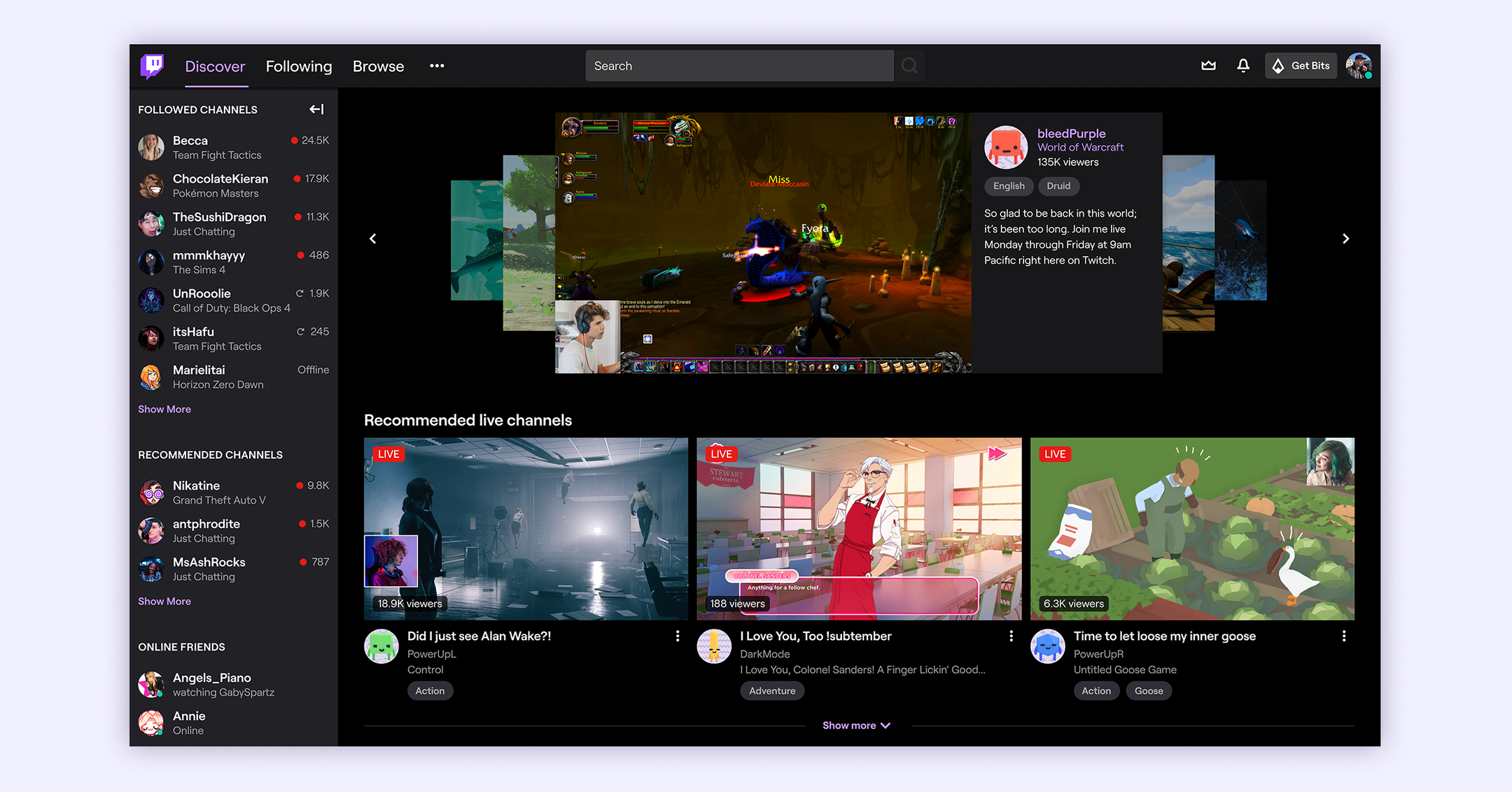
Data and organization are critical factors in managing recorded Twitch content. High quality video files can consume substantial storage space, making it imperative to have a reliable backup strategy in place. Utilizing removable storage or cloud storage options can help manage large files efficiently. It's also wise to develop a streamlined organization system that categorizes content by category, time, or gaming title. This approach not only simplifies future access but also guarantees that your valuable recordings are preserved and easy to navigate for editing or re-sharing.
Lawful and Moral Aspects of Content on Twitch
As capturing and archiving Twitch streams, it is vital to take into account the legal ramifications associated with capturing and distributing streamed material. Twitch broadcasters often hold the copyright to their live broadcasts, which includes the gaming, narration, and even the chat interactions. Utilizing their material without permission, particularly for commercial purposes, can lead to copyright violations issues. To remain in legal boundaries, always obtain consent from the creator, or ensure that your application falls under fair use guidelines.
Navigating fair use can be challenging. It generally covers commentary, critique, and educational purposes, but the details can differ by case. If you plan to make use of Twitch clips or VODs in a way that goes beyond private usage, such as integrating them into a production for a wider audience, grasping the legal framework is crucial. Giving appropriate credit and acknowledging the original creator's rights can help mitigate possible conflicts.
Additionally, moral considerations play a significant role in how content creators manage their broadcasts. Many broadcasters appreciate when viewers respect their work and ask for permission before utilizing their captured material. Building a nurturing community involves recognizing the creator's efforts and preserving their intentions. Creating best practices for content capture ensures not only compliance with legal standards but also encourages healthy relationships within the Twitch environment.